From the Westfjords to the remote island of Grímsey, SEAMPHONI researchers combined innovative environmental DNA (eDNA) sampling technologies and underwater acoustic monitoring to advance our understanding of Iceland’s marine biodiversity.
Between 2 and 18 August 2026, researchers from the Senckenberg Research Institute carried out the first SEAMPHONI field campaign in Iceland, marking an important milestone in the project's efforts to advance marine biodiversity monitoring through the integration of innovative technologies.
The campaign focused on two complementary activities: deploying an automated environmental DNA (eDNA) sampler alongside an underwater acoustic recorder off the coast of Iceland’s Westfjords, and collecting seawater samples for eDNA analysis in the waters surrounding Grímsey Island, north of Iceland.
Beyond the scientific and technical achievements, the expedition also created opportunities to strengthen connections with local organisations, research institutions and communities, laying the groundwork for future collaboration and engagement.
Westfjords: Combining Automated eDNA Sampling and Underwater Acoustic Monitoring
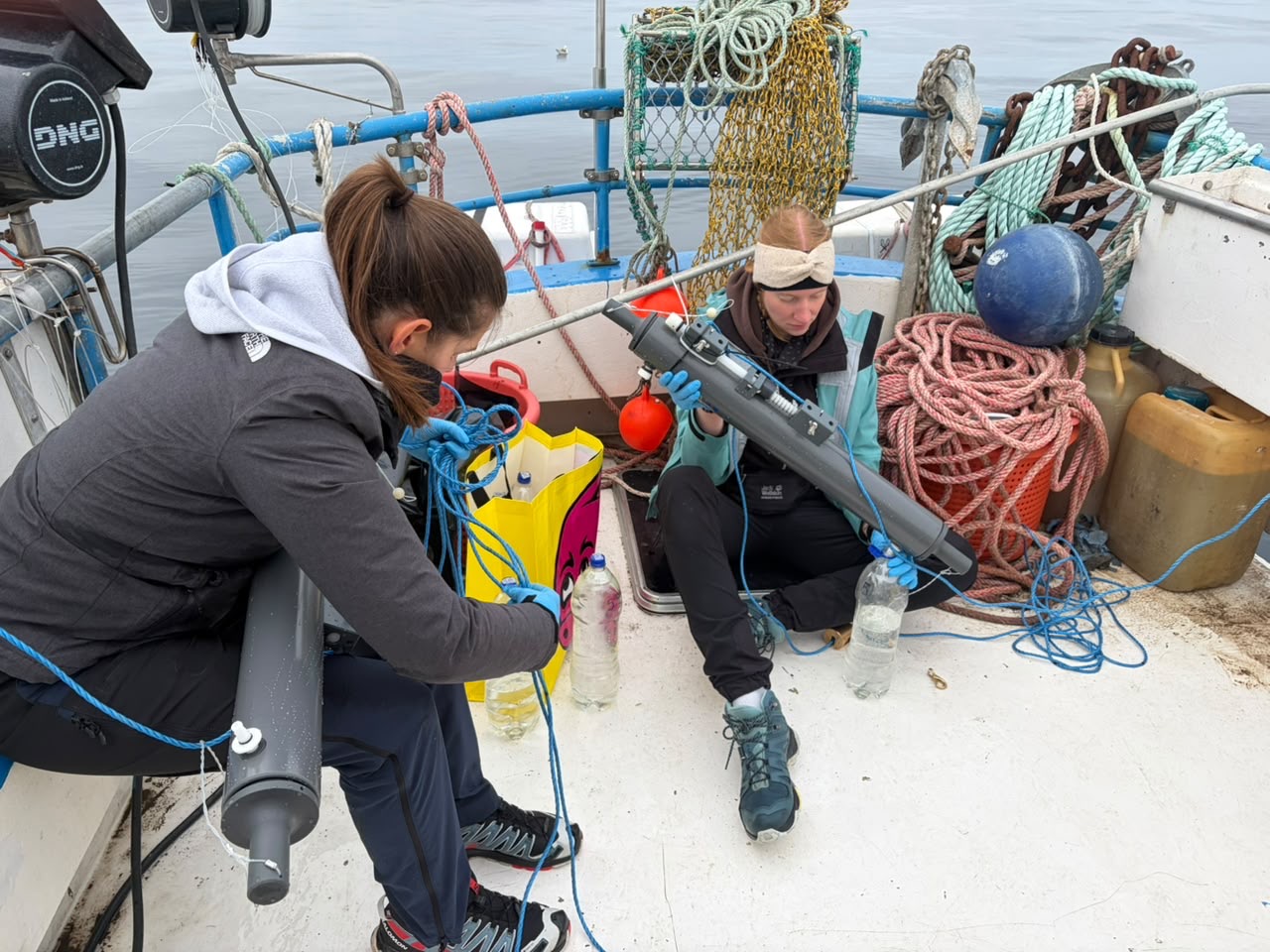
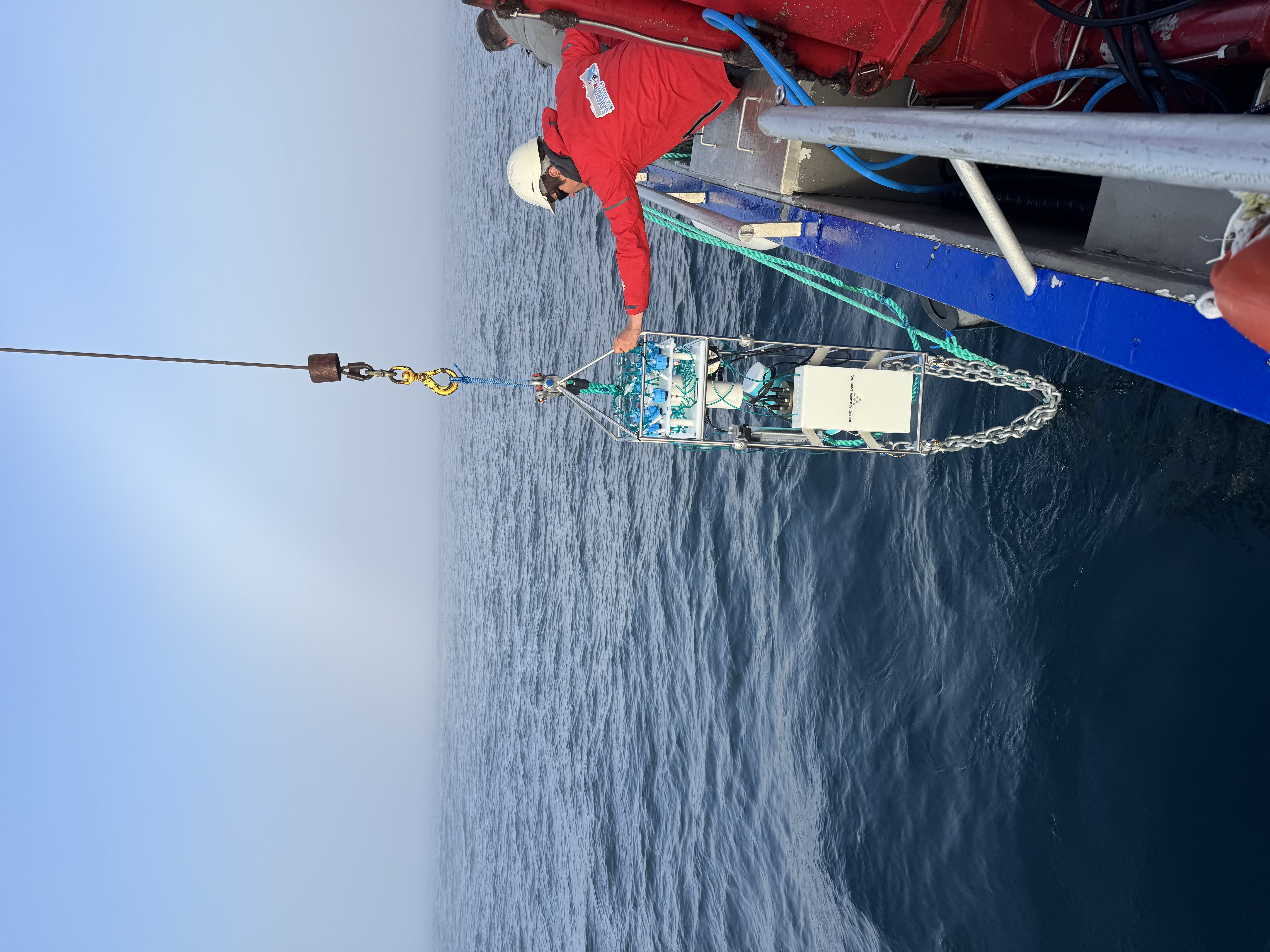
The first stage of the expedition took place in Ísafjörður, in Iceland’s spectacular Westfjords region, where the team prepared and deployed two complementary monitoring instruments: a McLane Particle and Phytoplankton Sampler (PPS) and a DORI Abyssens underwater hydrophone and recorder.
The McLane PPS is an automated instrument designed to collect water samples over time, enabling researchers to investigate marine biodiversity through traces of genetic material released by organisms into their environment. This approach, known as environmental DNA (eDNA) analysis, offers a powerful, non-invasive way to study marine life without the need to directly observe or capture organisms.
Before deployment, the researchers carefully prepared and tested the equipment, including an innovative adaptation of the sampler to accommodate two different filtration systems: Sterivex cartridges and Whatman filters. This experimental configuration will allow the team to compare the efficiency of both methods and assess their suitability for future automated eDNA monitoring activities.
The sampler was programmed to collect samples at different times of day, helping researchers explore potential changes in marine community composition between daytime and nighttime.
Alongside the eDNA sampler, the team installed a DORI Abyssens hydrophone and underwater recorder, configured in collaboration with SEAMPHONI partner UPC. The hydrophone records underwater sounds, providing complementary acoustic information about the marine environment.
By combining these two technologies, SEAMPHONI aims to explore how molecular and acoustic observations can contribute to a more comprehensive understanding of marine ecosystems.
A Successful Deployment at Sea
Following several days of preparation, technical testing and coordination with Icelandic authorities, the monitoring system was successfully deployed on 11 August 2026, aboard the vessel Sjöfn, operated by the local whale-watching company Sjóferðir.
The equipment was installed on a specially designed mooring system, with the automated eDNA sampler positioned approximately 15 metres below the surface and the hydrophone attached to the mooring line above it.
The deployment site was carefully selected considering scientific relevance, maritime safety and existing research activities. Its offshore location, close to a submarine canyon, offers an interesting setting for marine biodiversity observations.
The successful installation represents an important step towards testing autonomous, complementary monitoring approaches that could support more efficient and sustained observations of marine ecosystems.
During their stay in Ísafjörður, the researchers also established contact with Whale Wise, a local NGO actively involved in whale-related activities and community engagement. This connection could provide valuable opportunities for future outreach, stakeholder participation and communication activities within SEAMPHONI.
Grímsey Island: Investigating Marine Biodiversity Through eDNA
Following the deployment in the Westfjords, the research team travelled to Grímsey, a remote island located approximately 22–25 nautical miles off Iceland’s northern coast.
Known for its remarkable biodiversity, Grímsey is an important breeding area for seabirds, while the surrounding waters support diverse fish communities and are regularly visited by several whale species during the summer.
This rich marine environment makes the island a particularly interesting location for investigating biodiversity through environmental DNA.
Working with a sampling protocol developed in collaboration with SEAMPHONI partner NORCE, the team collected seawater samples at five offshore sampling stations around the island.
At each station, seawater was collected at a depth of five metres and subsequently filtered on land using two complementary methods. These involved Sterivex and Waterra filtration cartridges, allowing researchers to collect and preserve genetic material present in the water.
The samples were preserved and transported to the Senckenberg laboratories, where they are being stored pending DNA extraction and subsequent analysis.
Once analysed, these samples will contribute to improving knowledge of marine biodiversity in northern Iceland and assessing the potential of eDNA-based approaches for marine ecosystem monitoring.
Looking Beyond eDNA: Investigating Plankton Diversity
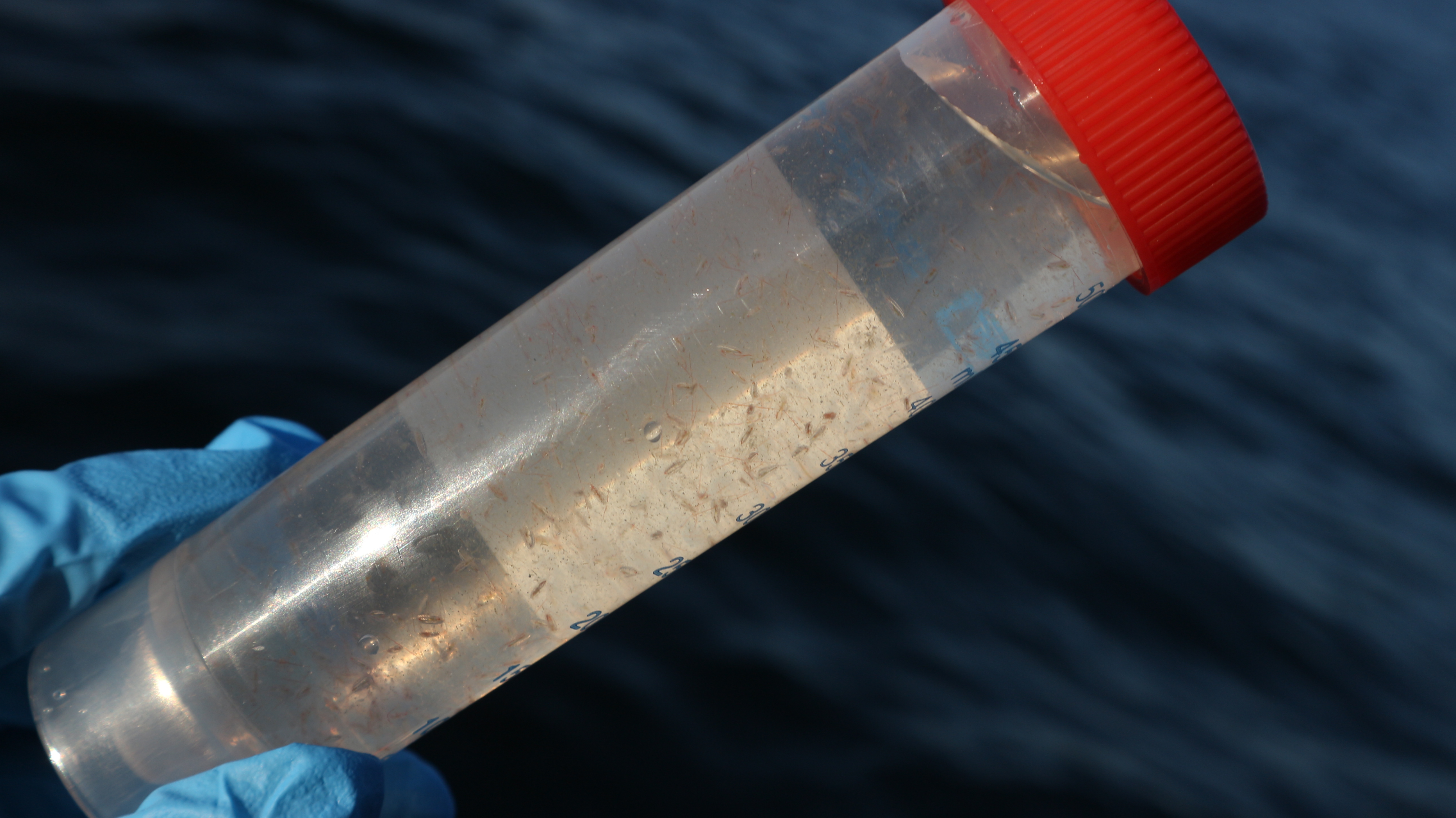
In addition to automated and manual eDNA sampling, the researchers collected live phytoplankton samples using a fine-mesh plankton net.
Sampling was carried out in the waters around Ísafjörður and at the five stations near Grímsey Island.
These samples will support investigations into the diversity of oomycetes, a group of organisms that includes species associated with diatoms, an important component of marine phytoplankton communities.
By incorporating plankton sampling into the campaign, the researchers expanded the range of biodiversity observations, adding another dimension to the study of Iceland’s marine ecosystems.
Building Connections for Future Research and Engagement
Scientific fieldwork is also an opportunity to build relationships with the communities and organisations working in the areas being studied.
Throughout the Iceland campaign, the SEAMPHONI team established and strengthened connections with several local organisations, including Whale Wise, the University of Iceland, Ocean Missions and Skjalfandi.
These contacts may open opportunities for future scientific cooperation, local stakeholder engagement and outreach activities, contributing to the project's broader ambition of connecting marine research with society.
An Important First Step for SEAMPHONI in Iceland
The successful completion of the August 2026 field campaign represents an important milestone for SEAMPHONI's Iceland Demo Site.
From the deployment of automated sampling and underwater acoustic technologies in the Westfjords to the collection of environmental DNA and plankton samples around Grímsey, the campaign demonstrated the potential of combining complementary approaches to investigate marine biodiversity.
The data and samples collected will now support further laboratory analyses and technical assessments, contributing to the development and evaluation of innovative marine monitoring methods.
By bringing together molecular techniques, underwater acoustics and collaboration with local stakeholders, SEAMPHONI is helping advance more integrated approaches to observing and understanding our ocean.